


Helminthic infection is a group of parasitic diseases that are affected due to poor personal hygiene.Identifying the presence of pathogens can be very difficult, although about 260 species of parasites are known.Often the patient only eliminates the symptoms of the disease, without awareness of their true causes.In medicine, there are effective methods for the prevention and treatment of this disease.
There are more than 70 species of different helminths.The risk of infection is high and the consequences are sometimes irreversible.Parasites lead to serious diseases of the digestive and nervous systems and shorten human life by 10-15 years.It is necessary to identify the problem in time and start solving it.
The first symptoms of helminthic infection in adults:
- sudden weight loss;
- excessive pallor of the skin;
- frequent constipation, loose stools, bloating, nausea, vomiting;
- itching in the anal area;
- weakness, headache, dizziness;
- sudden increase in temperature, fever, muscle pain;
- fatigue, irritability;
- dark circles under the eyes;
- deterioration of the skin condition, redness with an unknown cause;
- frequent colds;
- sleep disturbance.

If you have two more signs from the list, you should take measures to prevent the disease and undergo the necessary tests.
Types of parasites:
- Worms that occupy the small and large intestines: roundworms, tapeworms, hookworms.
- Tissues living in the lungs, heart, liver, gall bladder: fluxes, liver fluxes.Ascaris larvae can live in any human organ.
It is important to know that such helminthic infections lead the body to complete exhaustion.
How to detect the presence of helminths?
To detect the presence of parasites, you must undergo special tests.The appearance of many diseases is often not accompanied by worms.
It makes no sense to treat only the symptoms, the real causes of which are the infection with parasites, because to become healthy, it is necessary to eliminate the cause of the disease.
Signs of helminthic infection that are confused with common diseases:
- Anemia can result from a lack of nutrients that are not being supplied to the host due to the parasite.
- Digestive dysfunction: persistent diarrhea, constipation, nausea, vomiting.Worms secrete a hormone that causes diarrhea and with their large number they block part of the intestines and this leads to constipation.Helminth waste products cause intoxication.
- Allergic reactions on the skin are caused by the fact that the helminthic infection releases toxic substances.This leads not only to allergies, but also to a general state of intoxication: weakness, headache, dizziness, muscle pain, high fever.
- Frequent exposure to colds is the result of reduced immunity due to the lack of amino acids, vitamins and minerals that do not reach people.
- Fatigue and constant nervousness are also associated with vitamin deficiency.
- A decrease in immunity due to the lack of necessary substances leads to inflammation in the body: sinusitis, stomatitis, inflammation of the female genital organs.
You can distinguish helminthic infection by symptoms:
- With opisthorchiasis - infection with a cat bite - there is intoxication of the whole body, fever, muscle pain and the appearance of an eczema-like rash or small blisters on the body.
- Symptoms of ascariasis are observed 2 weeks after infection.They are similar to bronchitis, ARVI.They manifest in weakness, headache, sleep disturbances, fever and cough.Penetration into the intestine is associated with a disorder of the digestive system.Roundworms live in the body for about 12 months, then die.The eggs leave the body;they do not develop in the intestines.
- With enterobiasis - infection with worms - a person becomes nervous, his sleep is disturbed and he is disturbed by itching of the anal area and genitals.The patient suffers from diarrhea, nausea and abdominal pain.Red worms live 1.5-2 months.If you follow the rules of hygiene, re-infection will not occur.
- Trichinosis - infection with Trichinella - after 1.5 months is accompanied by chills, weakness, mild muscle pain, swelling of the face and reddening of the skin.In the most severe forms, cardiac arrhythmia, pleurisy and bronchitis are observed.
- Cestodosis is a disease caused by tapeworms.Symptoms appear 1.5-2 months after infection: nausea, vomiting, bloating, weight loss, headache, dizziness, abdominal pain.Serious consequences lead to disruption of the nervous system: blurred vision, meningitis and epileptic attacks.These parasites live 20-25 years.They get rid of them in a clinical setting.
- Giardiasis when infected with Giardia manifests itself in biliary dyskinesia, cholecystitis, duodenum and depends on the location of the parasites.The patient complains of heartburn, belka, bitterness in the mouth, pain and heaviness in the stomach.Giardia lives for 5-7 months and is able to reproduce its own type in the host's body.
- Signs of flu infection: swelling, skin allergies, muscle pain, headache, sweating, fever, cough.In the acute form, the liver and spleen are enlarged, the genitourinary system is affected and chronic diseases worsen.
- Dirofilaria settles in the human heart, leading to changes in heart rhythm, fever, nausea and insomnia.He lives for 6 months.
How does infection occur?
Worm infection develops mainly due to lack of personal hygiene.The main principle of infection remains oral-fecal - the penetration of eggs into the body through the ingestion of raw food and raw water:
- Ascariasis is associated with the consumption of unwashed vegetables, fruits, berries and herbs.
- Enterobiasis (worm infection) is transmitted from an infected person through objects.
- Opisthorchiasis is transmitted by infected animals.
- The cause of helminthiasis in adults and children are egg carriers such as flies.

Methods of infection:
- Geohelminthiasis is an infection with worm eggs that have entered the soil and water with feces.
- Contact penetration of eggs of worms and other parasites occurs through objects, interaction with animals and transmission by flies.
- Biohelminthiasis develops when undercooked, undercooked, salted, smoked meat and fish are included in the menu.
- Internal infection is observed less often than other types: when bitten by insects, when dirt gets into open wounds.
What risk does the infection pose?
A few years ago, it was believed that the risk of helminthic infections lies only in the weakening of immunity.Now, based on statistics, we can conclude that the situation is much more dangerous.Here are the data on parasites published by the head of the Institute of Parasitology:
- There are parasites inside almost every person.
- They are not easy to detect, even after testing.
- Worms can live in almost any organ: heart, stomach, liver, lungs.
- 92% of mortality is associated with helminth activity.It is a slow death that is considered natural.
- Tapeworms infected with cancer transmit the disease to humans.
- Heartworms lead to cardiac arrest.
- Worms living in the brain lead to neuroses.
- The presence of helminths in the intestines causes it to rot.
- Parasites provoke diseases such as hepatitis and stomach ulcers.
The appearance of symptoms similar to other diseases distracts the patient from the true causes of the disease.The result is advanced cases of parasite infection and the development of chronic diseases.
How to protect yourself from parasites?
Despite the widespread distribution of worm eggs in soil, water and public facilities, it is possible to protect yourself from these pathogens.Many parasites are unable to reproduce inside humans;their lifespan is limited.It is only important to take good care of personal hygiene to prevent infection:
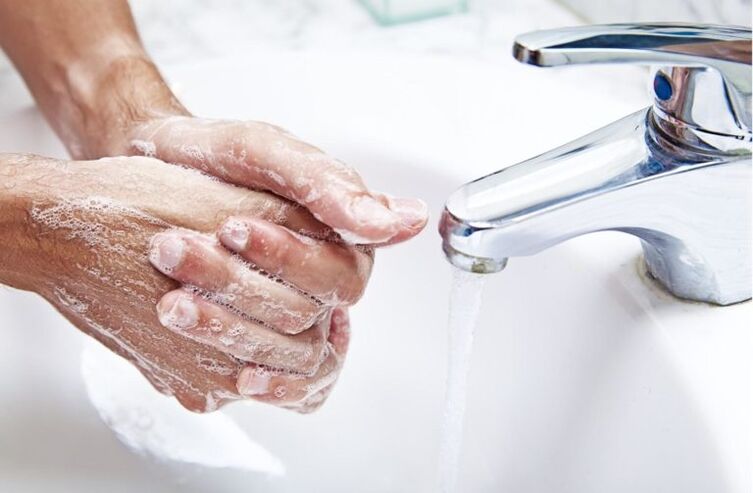
- After working with soil and walking, wash your hands very well.Children's nails should be cut short.
- Be sure to wash your hands before each meal and avoid touching your face or mouth with dirty hands.
- It is not enough to simply wash the vegetables and herbs;you must treat them with boiling water before eating.
- Remove shoes in the hallway, wipe the paws of animals after walking outside, and prevent the appearance of flies and mosquitoes in living areas.
- Maintain your health: drink clean water, do not eat harmful foods, saturate your body with amino acids, vitamins, minerals, fill the intestines with beneficial bacteria.In a strong body, parasites take root less than in a body that is not cared for.
If infection occurs, you should immediately consult a doctor and start treatment.
Symptoms and treatment
- Let's repeat all the symptoms of parasite infection: disruption of the digestive, nervous and cardiovascular systems, allergic manifestations.
- treatment for helminthiasis is prescribed by a doctor after the patient passes the necessary tests.When prescribing medications, the person's age, weight and general condition are taken into account.The course of treatment usually lasts 21 days and is repeated after 3-4 weeks.
- It is good to treat worms with natural-based drugs that do not cause intoxication in humans, affect only parasites, create unfavorable conditions for their growth, suppress their condition and promote their exit from the body naturally.
- It is also necessary to take natural medications for prevention at least 2 times a year.
From all of the above, we already know what helminthic infections are and how to treat them.